
How Do I Know if Rehabilitation is Right for Me?
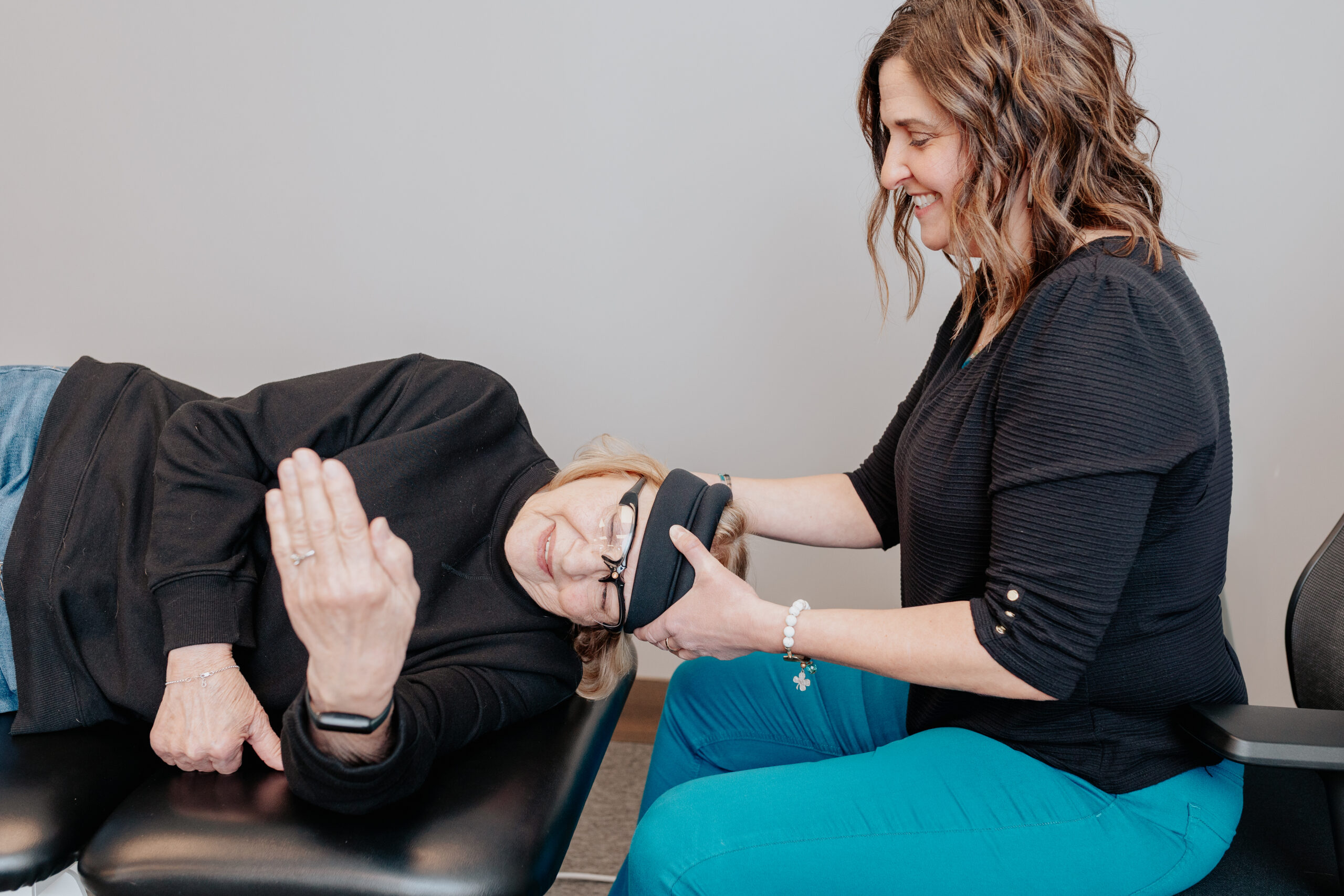
Optometric neuro-rehabilitation is designed for individuals experiencing visual deficits due to neurological conditions, traumatic brain injuries, or physical disabilities. It focuses on retraining the brain to improve visual function through specialized exercises, lenses, and therapeutic techniques.
You might consider neuro-optometric rehabilitation if you experience:
- Double vision or difficulty focusing
- Tracking and scanning problems that affect reading or daily tasks
- Dizziness, nausea, or spatial disorientation
- Difficulty walking or maintaining posture
- Visual neglect (lack of response to stimuli in part of your visual field)
- Poor depth perception or frequent bumping into objects
A neuro-optometrist can assess your symptoms and determine if this therapy is suitable for you. If you’re dealing with vision challenges after a brain injury or neurological condition, it might be worth exploring.
Other Trajectories of Care
At Thrive With Vision, we recognize that healing and optimal performance involve more than just the visual system. Vision is deeply connected to how we move, sleep, nourish our bodies, regulate our emotions, and interact with our environment.
As part of your care journey, we encourage patients to focus on these key foundations of health:
Nutrition
Movement
Sleep/Circadian Rhythm
Emotional/Behavioral Health
Light
Vision
While every patient’s path is unique, addressing these interconnected areas creates a strong foundation for growth, healing, and lasting success.
Who Benefits from Vision Therapy
Struggle with reading
Lose your place, reverse letters, or avoid reading tasks
Have trouble focusing or remembering
Difficulty processing visual info or staying on task.
Feel dizzy or off balance
Especially after injury or screen use.
Suspect retained reflexes
In younger kids or adults with sensory/motor delays.
Self-Check:
-
Do I have 20/20 eyesight but still struggle with everyday tasks?
-
Do I avoid reading, feel clumsy, or get tired easily when using my eyes?
-
Has a concussion or injury left me feeling “off,” even months later?
If you said yes to any of these, vision therapy might be the missing link.